Dealing with insurance adjusters after a car accident feels overwhelming, but knowing the right moves keeps your claim strong and payouts fair. Think of them as pros working to save their company money, so stick to facts, dodge traps, and protect every step from that first call to settlement. This guide breaks it all down simply on what to say, how to push back, and tips that turn chaos into cash.
First Steps Right After the Crash
Get the basics down fast. Call your insurer to report the accident, but keep it short—share date, time, location, and vehicles involved. Dealing with insurance adjusters starts here, so document everything with photos of damage, injuries, and the scene before anyone arrives.
Gather the police report and witness contacts too. This builds your case strong from the jump.
Who Are These Car Insurance Claims Adjusters?
Car insurance claims adjusters work for the insurance company, not you—they investigate to check coverage, fault, and payout amounts. Their job involves reviewing your policy, inspecting damage, talking to parties, and negotiating settlements.
Think of them as investigators paid to minimize costs. Stay polite; rudeness slows things down.
What to Say to Insurance Adjuster After Car Accident
Stick to facts only. Say something like: “The crash happened at [intersection] on [date] around [time]. I’m hurt and getting medical care.” Then stop.
Don’t apologize, guess fault, or chat about injuries in detail. Dealing with insurance adjusters means short answers protect you—no recorded statements without advice.
| Do Say | Don’t Say |
| Basic facts: time, place, vehicles | “It was probably my fault” |
| “Seeking medical evaluation” | Details on pain or treatment plans |
| “Investigation ongoing” | Opinions on who caused it |
How to Talk to Insurance Adjuster Like a Pro
Keep calm and get their name, contact, every time. Ask for everything in writing.
Dealing with insurance adjusters goes smoother if you prepare: review your policy, tally losses with estimates and bills. End talks by saying, “I’ll review with my advisor.” This buys time without committing.
Tips for Dealing with Insurance Adjusters
- Be polite but firm—anger gives them ammo.
- Never accept the first offer; it’s always lowball.
- Log every call: date, what was said, promises made.
- Get repair quotes from multiple shops.
- Consult a lawyer early if injuries linger.
Dealing with insurance adjusters rewards patience—rush, and payouts shrink.
The Insurance Claim Settlement Process
It unfolds in clear steps. First, file the claim with docs like a police report and photos. The insurer verifies coverage and investigates.
Next, the car insurance claims adjuster assesses damage, calculates value. They negotiate based on evidence. Approval leads to payment; disputes go to review.
Here’s the flow:
| Step | What Happens | Timeline Tip |
| 1. Report & Docs | Notify insurer, submit basics | Within 24-48 hours |
| 2. Investigation | Adjuster checks facts, damage | 1-4 weeks |
| 3. Evaluation | Value losses, negotiate | Varies by complexity |
| 4. Payout | Funds sent if approved | 30 days max in many states |

What to Do If You Disagree with Auto Insurance Adjuster
Push back smartly. Ask for their reasoning in writing, then request supervisor review.
Dealing with insurance adjusters hits bumps here—providing more evidence like second estimates or medical reports. File with the state insurance dept if stalled; it lights a fire.
Escalate to appraisal or small claims if needed. Lawyers level the field big time.
How to Deal with Auto Insurance Adjusters Long-Term
Track medical bills ongoing—injuries show later. Dealing with insurance adjusters demands records of everything: therapy, lost wages.
Negotiate firmly with photos, witnesses. Avoid signing releases early. If other driver’s insurer calls, refer to yours.
Dealing with insurance adjusters protects max payout—evidence wins.
Common Traps to Dodge
Watch for low offers ignoring future care. Don’t admit fault casually. Dealing with insurance adjusters tricks include rushing you—say no to quick settlements. Always loop in pros for complex claims.
Negotiating Your Settlement Smartly
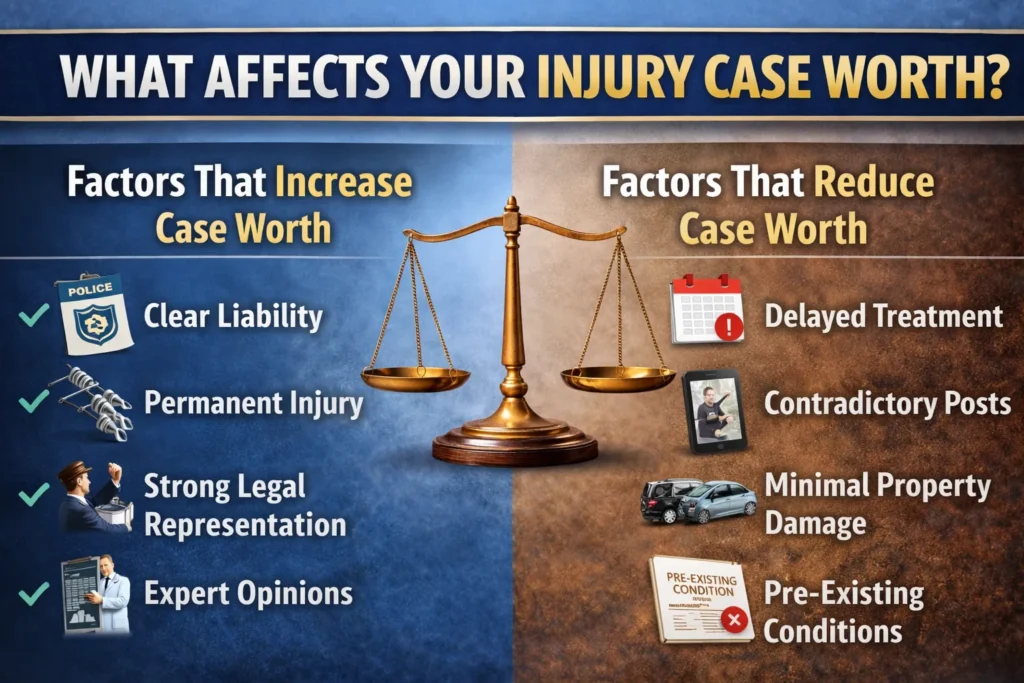
Dealing with insurance adjusters comes down to talking about money. They often start with a low number that covers just car fixes. It skips doctor bills or days off work. Fight back with your list of costs. Show receipts and shop quotes. Stay nice but strong. Say your number again and again till they move up. Don’t agree fast. That gives them what they want.
Dealing with insurance adjusters works best when you check your policy. Look up what others got for the same crashes. Use free tools online for numbers. You get time to think and ask for more.
Spotting Adjuster Tricks Early
Dealing with insurance adjusters means watching for games. They act nice or hurry you to sign. You hear “best deal ever” too soon. It’s fake. Meant to make you think your claim is small. After crash stress, it’s easy to fall for it. Ask for all in writing. That traps them with facts.
Write down every talk. Note time, their ID, and words said. Their mistakes help you later. If they guilt you or slow down, ask for a boss. Stay calm. This moves things fair and quick. No fights needed.
Frequently Asked Questions
What should you say first when dealing with insurance adjusters after a crash?
Report basics: date, location, vehicles. Mention injuries and medical care, but skip details or fault guesses. This keeps your claim safe without over-sharing—adjusters twist words against you.
How to deal with an insurance adjuster after a car accident if they call fast?
Stay calm, stick to facts, get their info. Don’t give recorded statements or injury updates yet. Direct them to your policy for claims process—prep docs first to strengthen their position.
Why avoid chatting freely with a car insurance claims adjuster?
They aim to cut costs, so vague talks help deny or lowball claims. Facts only protect you; speculation hurts. Always document calls for records in the settlement process.
What to do if you disagree with auto insurance adjuster offer?
Request written reasons, supervisor review, add evidence like extra quotes. Escalate to state regulator if needed—many overturn lowballs with proof.
How to talk to insurance adjuster without messing up?
Polite, brief, factual. Say “ongoing medical” or “will provide updates.” No apologies or guesses—let evidence talk in negotiations.
Best tips for dealing with insurance adjusters daily?
Log everything, multiple repair bids, no first offers. Consult lawyer for injuries—turns tables fast. Patience pays off big.
What’s the insurance claim settlement process timeline?
Report, investigate (weeks), evaluate, pay (30 days goal). Delays from disputes—push with docs to speed fair payout.
Can dealing with insurance adjusters involve lawyers early?
Yes, smart move—handles calls, maximizes value. Free consults common; they know tricks adjusters pull.
What to say to insurance adjuster after car accident about fault?
Nothing—say “police report has details” or “investigation pending.” Avoid opinions; fault fights later with proof.
How to deal with auto insurance adjusters pushing quick settle?
Decline politely: “Need time for full damages.” Tally all costs first—rushed deals undervalue long-term pain.