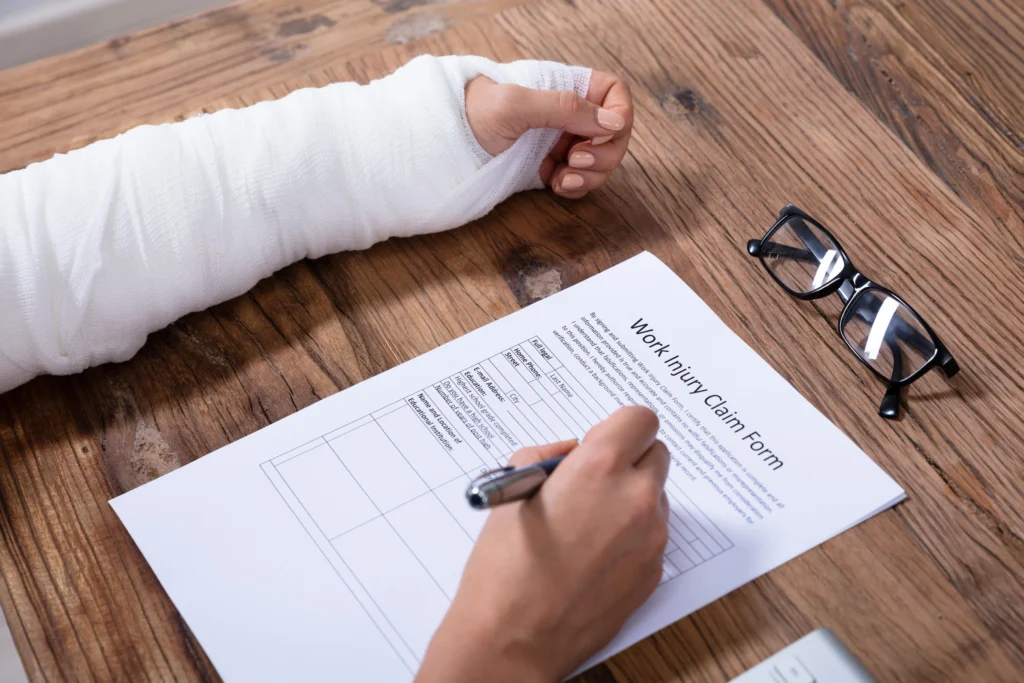
The moment after an accident never feels normal. Bodies shake, thoughts scatter, and even simple decisions suddenly feel impossible. That’s why a personal injury checklist matters. It brings clarity to a moment that doesn’t make sense. It helps protect health, rights, and financial recovery before panic takes over.
Many people start searching online with questions like:
- What am I supposed to do after an accident?
- How do personal injury claims work?
- Is insurance going to fight this?
The truth is, most people have never dealt with this before, and that’s exactly when mistakes happen. So breathe, slow down, and use this personal injury checklist as a guide.
Step 1: Pause and Assess the Situation
The first instinct after an accident is often to jump up, apologize, or move quickly. But rushing can make injuries worse or create confusion later.
Take a moment to notice:
- Is there pain?
- Are there visible injuries?
- Is someone else hurt?
- Is there danger around (traffic, machinery, fire, animals)?
Safety comes first. Everything else can happen afterward.
Step 2: Call for Help
Calling emergency services or reporting the incident creates a documented trail. Whether it’s police, an employer, a property owner, or emergency medical care — the record matters later.
This step of the personal injury checklist protects against future claims like:
- “It wasn’t serious”
- “There’s no proof anything happened”
- “You didn’t report it properly”
Documentation builds credibility.
Step 3: Gather Evidence at the Scene
Even if everything feels overwhelming, documenting the scene while it’s fresh is helpful. Think of yourself as preserving facts, not arguing, not blaming, just recording.
Helpful things to capture:
- Photos of the injury
- Damaged vehicles or equipment
- Road conditions
- Hazards like broken flooring or missing safety signs
- Weather or lighting
- Contact information for witnesses
This part of the personal injury checklist becomes powerful later when insurance starts asking difficult questions.
Step 4: Seek Medical Attention (Even If It Feels Minor)
This is one of the most important steps.
Some injuries don’t show up immediately, adrenaline hides pain. Hours later, stiffness, headaches, dizziness, swelling, or numbness appear. Doctors document the injury and connect it to the accident, which is crucial for the insurance claim investigation process.
Medical treatment becomes the foundation of:
- Pain and suffering claims
- Lost wage claims
- Future medical cost estimates
- Settlement negotiations
Skipping or delaying this step weakens the entire personal injury claim.
Step 5: Notify the Insurance Company
This can feel uncomfortable, especially if the adjuster sounds friendly. Remember — adjusters are trained to protect the insurance company’s financial interests.
When speaking with them:
- Stick to facts
- Avoid emotional language
- Do not guess about injuries
- Avoid phrases like “I’m fine” or “It’s no big deal”
- Decline recorded statements if unsure
This section of the personal injury checklist prevents statements that could later be used to reduce or deny compensation.
Step 6: Keep Records, Receipts, and Notes
Think of your situation like a story that needs proof. The more documented, the stronger the claim.
Track:
- Medical bills
- Mileage to appointments
- Physical therapy
- Lost wages
- Medication
- Medical devices or bandages
- Pain levels
- Changes to physical ability
A simple binder or phone folder works. Over time, this documentation supports negotiation and strengthens the case.

How Personal Injury Claims Work
Many people expect insurance to just “do the right thing.” Unfortunately, it rarely works that way. Understanding the process makes it easier to stay patient.
Claims usually follow these steps:
- Injury and report
- Medical evaluation
- Claim filed
- Investigation
- Negotiation
- Settlement or lawsuit
When negotiations stall or the offer is too low, the personal injury litigation checklist becomes important. Litigation may involve medical experts, depositions, and court filings, but many cases still settle before trial.
How Long Does a Personal Injury Claim Take
There is no universal timeline.
A claim could take:
- A few weeks (simple, minor injury with clear fault)
- Several months (moderate injury requiring treatment)
- Over a year (serious injury or disputed liability)
Using a personal injury checklist helps shorten delays caused by missing paperwork, unclear evidence, and communication gaps.
Workers Compensation Claims
Work injuries follow different rules. Knowing what injuries qualify for workers compensation helps avoid confusion. Typically, if the injury happened while doing job duties, it qualifies.
Examples include:
- Equipment injuries
- Repetitive stress injuries
- Slip-and-fall hazards
- Chemical exposure
- Back, neck, and joint injuries
Workers compensation doesn’t require proving fault, but documentation matters even more.
How to Negotiate a Personal Injury Settlement (Calmly and Confidently)
Negotiation isn’t about rushing to close the case, it’s about making sure recovery is fully considered. Some people accept the first offer because they want the situation to disappear. But the first offer is often the lowest.
Strong settlements include:
- Past medical bills
- Future treatment costs
- Lost wages
- Reduced earning ability
- Pain and suffering
- Long-term disabilities
A complete insurance claim checklist for injuries ensures nothing important is missed.
Tips for First-Time Claimants
This part exists for one reason: mistakes are common when someone has never filed a claim before.
Helpful reminders:
- Do not sign anything without understanding it
- Continue treatment until fully cleared
- Do not assume the insurance company is guiding you fairly
- Avoid discussing the accident online
- Keep everything in writing when possible
A printed or saved personal injury checklist makes staying organized easier.
Understanding the Insurance Claim Investigation Process
Once the claim is filed, the insurance company starts looking into what happened. This part can feel uncomfortable because it’s when the questions start. The tone may be friendly, but the goal is simple: save the company money. That’s why being prepared matters.
During the investigation, the insurance adjuster may:
- Review medical records
- Examine accident photos
- Request statements
- Contact witnesses
- Inspect vehicles or equipment
- Look at social media posts
It helps to stay calm and stick to facts.
A helpful mindset during this phase is:
Nothing needs to be answered immediately.
If a question feels unclear or confusing, it’s okay to say:
I need time to review that.
This part of the personal injury checklist protects someone from being rushed into saying something that could later weaken the claim.
It’s also helpful to remember:
- Adjusters sometimes ask the same question in different ways
- They may frame questions to imply shared blame
- They may act like the injury isn’t serious
- They may encourage quick settlement before treatment ends
The more organized and careful the communication, the stronger the file becomes during negotiation.
Conclusion:
Accidents create stress, fear, and uncertainty, and no one deserves to navigate that chaos blindly. A personal injury checklist simplifies decisions, protects legal rights, and helps secure fair compensation. The situation may feel overwhelming now, but step-by-step, clarity returns.
Frequently Asked Questions
What should be done immediately after an accident?
Follow a personal injury checklist and seek medical attention.
Can a claim still succeed without witnesses?
Yes. Evidence, photos, and reports help prove what happened.
How long does a claim take?
Anywhere from weeks to over a year depending on complexity.
Do personal injury claims always go to court?
No. Most settle before trial.
What if symptoms appear later?
Update your medical records — delayed symptoms are common.
How personal injury claims work?
Document, report, treat, file, negotiate, and settle or litigate.
Should insurance pressure be ignored?
Yes, never rush into a settlement.
Can claims be denied?
Yes, especially when documentation is weak or delayed.
Is legal help required?
Not always, but many find it helpful.
Can posting online affect the claim?
Yes, social media can be used against you.